Culture Tube About
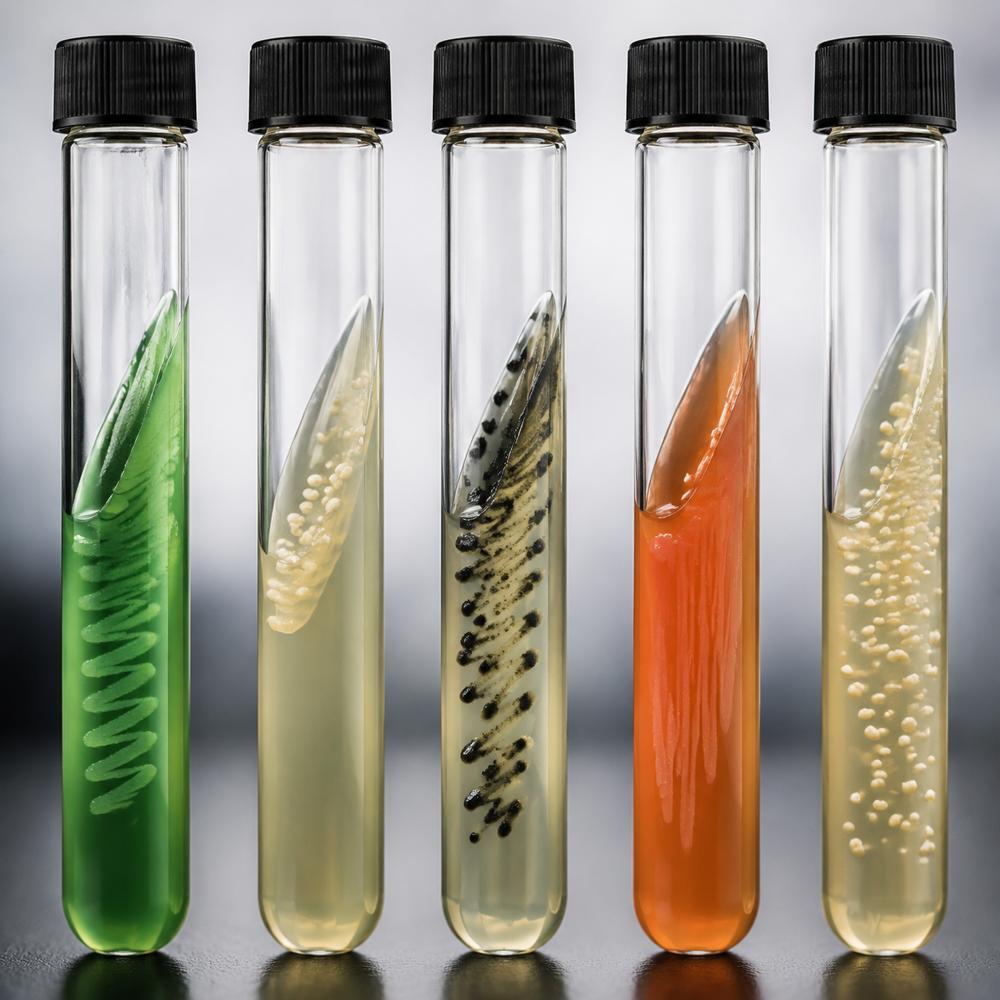
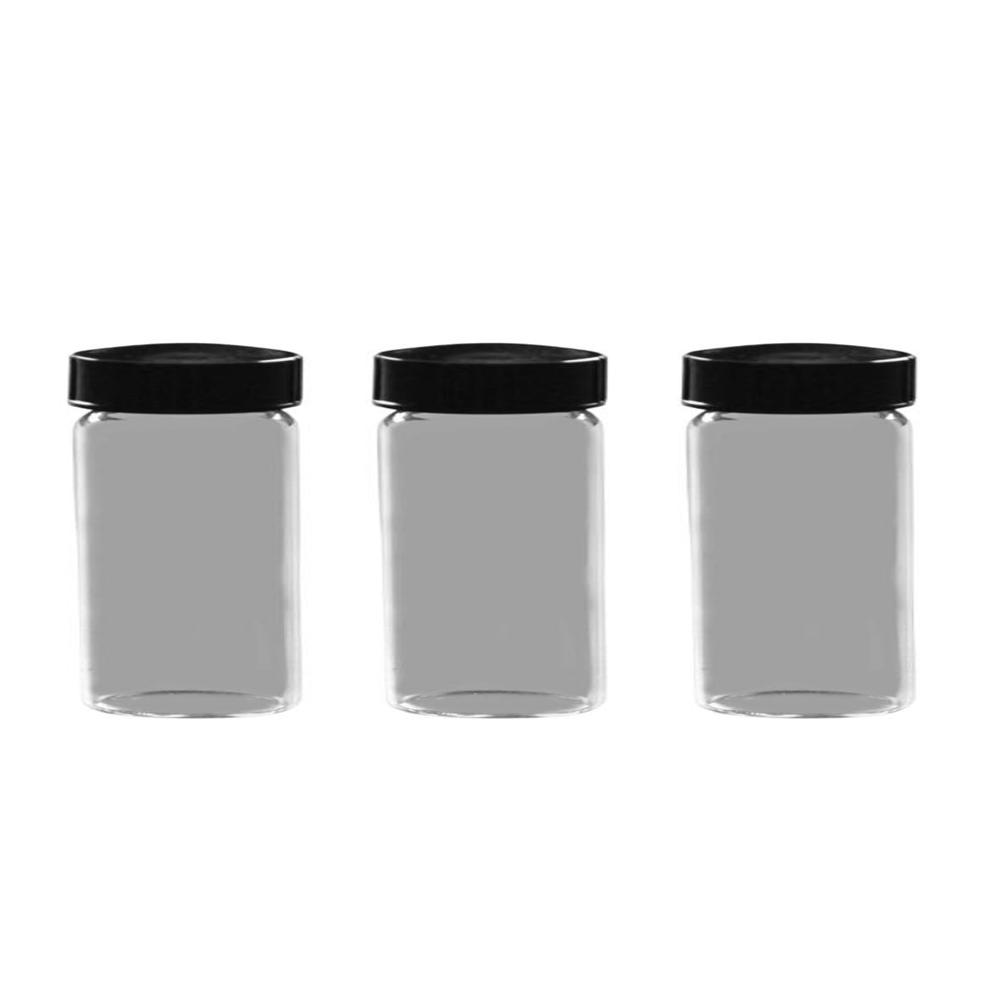
Culture Tubes are precision-designed laboratory tubes used for sample storage, microbial culture, and chemical analysis. Manufactured from high-quality materials such as borosilicate glass or medical-grade plastic, these tubes offer excellent clarity, durability, and chemical resistance.
Widely used in microbiology, biotechnology, and clinical laboratories, culture tubes ensure safe and reliable handling of samples. Their uniform construction and optional leak-proof caps make them ideal for contamination-free storage and experimentation.
Key Features:
- Made from high-quality glass or plastic
- Available with plain or screw cap options
- Leak-resistant design for safe storage
- High clarity for easy observation
- Resistant to heat and chemicals
- Suitable for autoclaving (if applicable)
Applications:
- Microbiological culture and testing
- Sample collection and storage
- Chemical and biological experiments
- Clinical and research laboratories
- Educational lab use
Benefits:
- Ensures safe and contamination-free handling
- Durable and reliable for routine lab use
- Easy to use and maintain
- Suitable for multiple laboratory applications
Safety & Handling:
- Use appropriate protective equipment (gloves, lab coat) while handling
- Ensure proper sterilization before and after use
- Handle glass tubes carefully to avoid breakage
- Dispose of damaged or contaminated tubes as per laboratory guidelines
Storage:
- Store in a clean, dry environment
- Keep away from direct sunlight and physical damage
Superior Versatility and DurabilityManufactured from borosilicate glass, these culture tubes are highly resistant to chemicals and extreme temperatures. Their robust quality allows repeated sterilization, both in autoclaves and under direct flame. The polypropylene screw cap enhances safety and easy handling, making them perfect for high-demand environments like hospitals, research labs, and industrial settings.
Designed for Laboratory EfficiencyOffered in various sizes and bottom shapes, with optional graduation markings, these tubes cater to a wide array of experimental needs. Their smooth surface and transparent body allow accurate sample monitoring without contamination or spillage. Reusability makes them a cost-effective and sustainable choice for educational institutions and large-scale laboratory operations.
FAQ's of Culture Tube:
Q: How can the Culture Tube with Screw Cap be sterilized for laboratory use?
A: The non-sterile Culture Tube is fully autoclavable, allowing you to sterilize it in an autoclave before use. It also withstands direct flame sterilization, thanks to its borosilicate glass construction.
Q: What chemical resistance does this tube offer for different experiments?
A: Constructed with borosilicate glass and a polypropylene cap, the tube provides high resistance to most chemicals, making it suitable for a variety of microbiology and sample storage tasks.
Q: When should I choose a marked versus an unmarked culture tube version?
A: Opt for tubes with graduation markings when precise volume measurement is needed. Unmarked tubes are ideal for applications where measurement isn't a priority, such as sample storage or routine culturing.
Q: Where are these culture tubes typically used?
A: These tubes are widely used across hospitals, research laboratories, industrial labs, and educational institutions for culturing bacteria and fungi, as well as for storing and transporting liquid samples.
Q: What is the maximum temperature the culture tubes can withstand?
A: The borosilicate glass tubes can handle temperatures up to 500C, making them safe for procedures that require high heat exposure or flame sterilization.
Q: How should the culture tubes be stored when not in use?
A: Store the empty tubes at room temperature. If containing media or samples, follow specific storage requirements based on the contents to maintain integrity and avoid contamination.
Q: What are the key benefits of using these culture tubes in laboratory applications?
A: Key benefits include reusability, resistance to chemical and thermal stress, a secure screw cap closure, clear visibility of contents, and versatility in size, shape, and marking for various experimental setups.






 Send Inquiry


 Send Inquiry